0

Your Cart is Empty

Elevate Your Services: Modern Cryosurgery with CryoProbe

December 05, 2025 3 min read

As cosmetic dermatologists and Med Spa professionals strive for treatments that are efficient, cost-effective and deliver excellent patient satisfaction, revisiting the fundamentals and innovations of cryosurgery makes sense. 

Cryosurgery (also referred to as cryotherapy in dermatologic settings) uses extreme cold to destroy unwanted or abnormal tissue. 

Here’s a brief outline of how it works:

  • The clinician applies a cryogen (commonly liquid nitrogen, at −196 °C) or uses a contact probe to freeze the target tissue.

  • Rapid freezing → ice crystals form inside and outside cells → cellular membrane rupture + osmotic shock → vascular stasis → tissue necrosis.

  • Upon thawing, the destroyed tissue sloughs off and is replaced by healthy regeneration in many cases.

Why is this relevant for your practice?

  • It’s minimally invasive, office-based and relatively rapid compared to surgical excision. 

  • It can treat a range of benign, premalignant and some superficial malignant lesions. (AAFP+1)

  • For a Med Spa or cosmetic dermatology setting, the appeal is clear: less downtime, good cosmetic outcome, and versatility.

From a practical standpoint, choosing a device or system that maximizes efficiency, lowers cost, and enables reliable results is highly desirable.

Challenges and Considerations in Traditional Cryosurgery

While cryosurgery offers many benefits, there are important caveats to keep in mind:


Precision & depth control. Traditional cryotherapy (using liquid nitrogen spray or swabs) may result in inconsistent freezing depth. If freezing is too shallow, the treated lesion may not be fully removed; if too deep or prolonged, there is a risk of scarring or permanent pigmentation changes. (statpearls.com)


Costs & logistics. Cryotherapy requires handling liquid nitrogen (or other cryogens), which means specialized storage containers, safe handling procedures, and trained staff — factors that may increase the barrier for clinics considering adoption.


Cosmetic-use limitations. When cryotherapy is used for cosmetic-type skin issues (such as skin tags, benign growths, or pigmented lesions), downtime and post-treatment pigmentation changes are especially relevant. Hypopigmentation or hyperpigmentation is common after skin freezing, and pigment shifts can be prolonged, especially in cosmetically sensitive areas. (dermatologytech.org)


Patient expectations. In a cosmetic or “med spa” context, patients often expect minimal downtime, minimal side effects, and a visible improvement. However, cryotherapy may lead to blistering, crusting, pigment changes, scarring, or a healing period of days to weeks — which may not align with those expectations. (MedlinePlus)


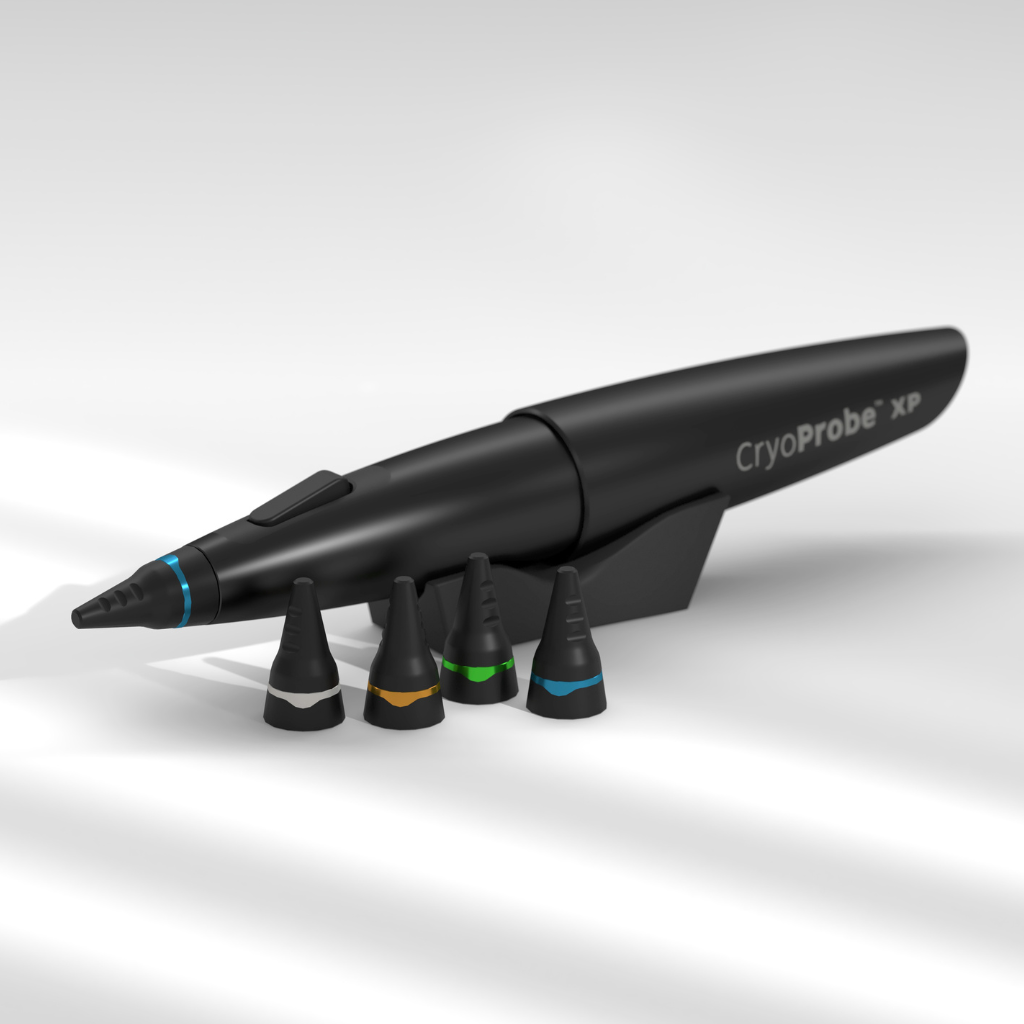
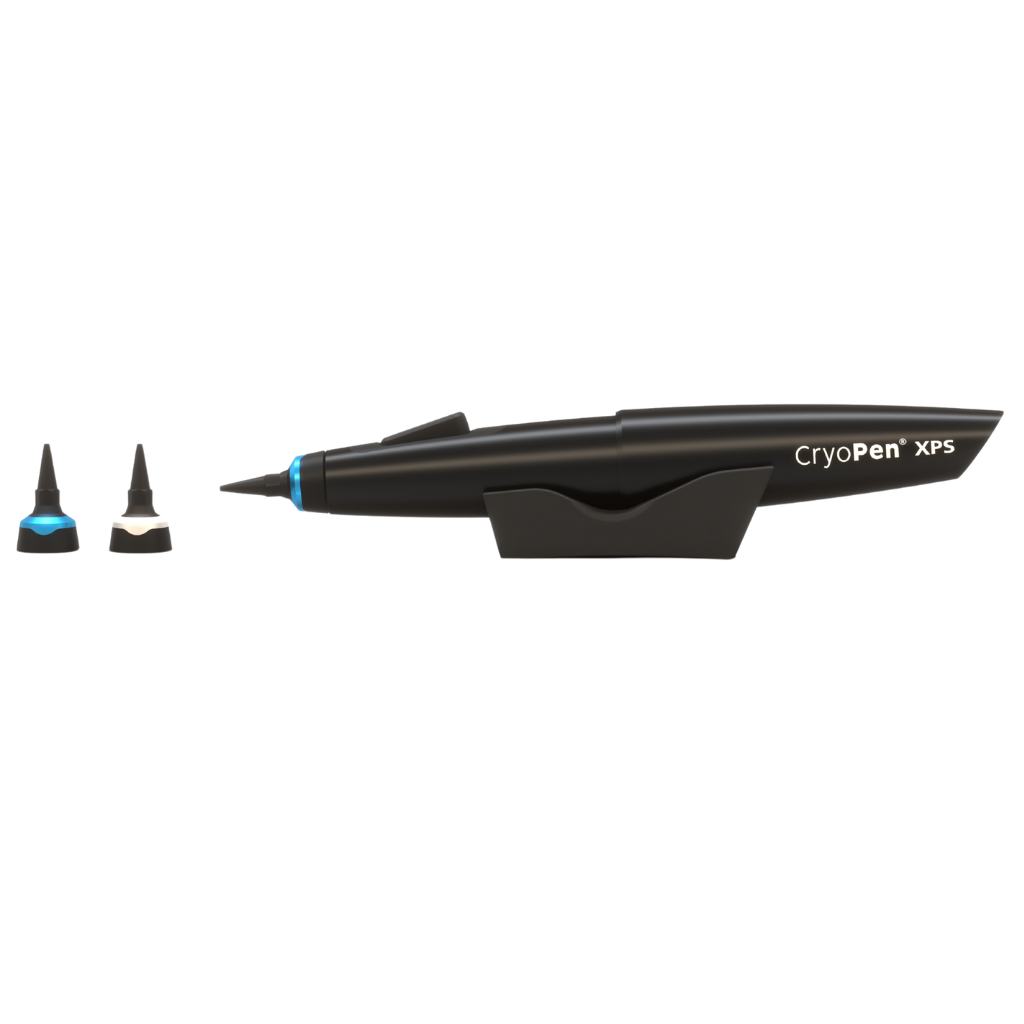
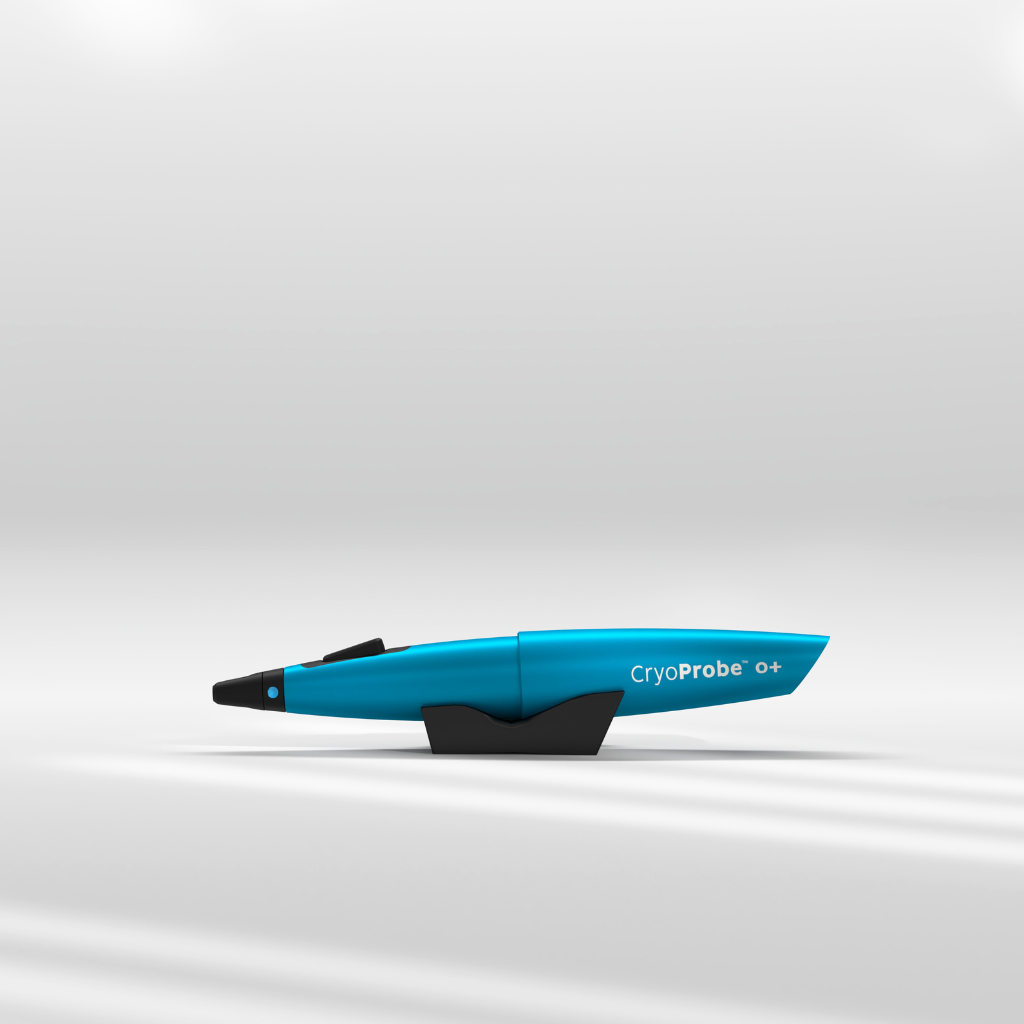
How the CryoProbe Line Fits the Need

You can find it here 


What this line offers:

  • Tailored cryo-probe devices and attachments specifically for aesthetic/dermal use, ideal for Med Spa and cosmetic dermatology settings.

  • Simplified system compared to traditional large LN₂ spray rigs: less space, less infrastructure, lower setup cost.

  • Compatibility with minimal downtime procedures, offering the cryosurgery benefits in a Med Spa workflow.

Why this is compelling for your practice:

  • Lower entry cost / better ROI: If your clinic doesn’t already have large cryo equipment, this offers a more accessible alternative.

  • Streamlined workflow: A probe system is often simpler to train staff on, and easier to integrate into a med-spa exam/treatment room.

  • Versatility: You can use the probe for benign lesions, skin tags, smaller growths with good cosmetic control.

  • Patient-friendly: With appropriate device controls and technique, the procedure can be rapid and minimal-downtime, aligning with patient expectations in cosmetic practice.

Implementation Tips:

  • Ensure you and your team are trained on probe technique: contact versus spray, freeze time, thaw cycles.

  • Match probe size/attachment to lesion size and depth: smaller probes for superficial lesions, larger for deeper.

  • Incorporate into a “cryosurgery offering” menu: e.g., skin tag removal, benign lesion cleanup, minor pigmentation spots.

  • Highlight the convenience and quicker recovery to patients: many may prefer this to more invasive excision.

  • Track outcomes (lesion clearance, downtime, patient satisfaction) to build your case and refine workflow.


Positioning for your Practice & Marketing Messaging

Here are some ways you might position this offering within your Med Spa or dermatology practice:

  • Cost-effective upgrade”: For clinics already offering injectables/lasers, adding a cryo-probe system expands service range without huge capital expense.

  • “Complement your aesthetics menu”: Combine cryosurgery with other skin-renewal treatments: e.g., after lesion removal, follow-with laser or peel for final cosmetic polish.

  • Patient convenience: Emphasize the quickness, minimal discomfort, no stitching, low downtime.

  • Training & safety angleMention that you use a modern, probe-based system (CryoProbe), giving clients confidence.


Final Thoughts

Adding a modern cryo-probe system like the  CryoProbe line offers a compelling way to expand your cosmetic/dermal toolbox. When used appropriately, cryosurgery can deliver real value: fast treatments, minimal downtime, good results, and the right device means less infrastructure and more ease of integration.

Leave a comment

Comments will be approved before showing up.