0

Your Cart is Empty

How Your Med Spa’s Interior Shapes Client Mood, and Why It Matters

December 15, 2025 4 min read

When clients walk into a Medical Spa, IV therapy business, cosmetic dermatology, concierge medicine practice, or other medical wellness business, they're not just looking for treatments; they’re seeking an experience. The environment you create communicates more than just luxury or professionalism; it speaks to your clients’ emotional state before they even lie down on the treatment bed. Here’s how thoughtful interior design can positively influence mood and why it's key to building trust, loyalty, and repeat business.

1. Color Psychology: More Than Just Aesthetic

Colors are powerful mood-setters. In a Med Spa:

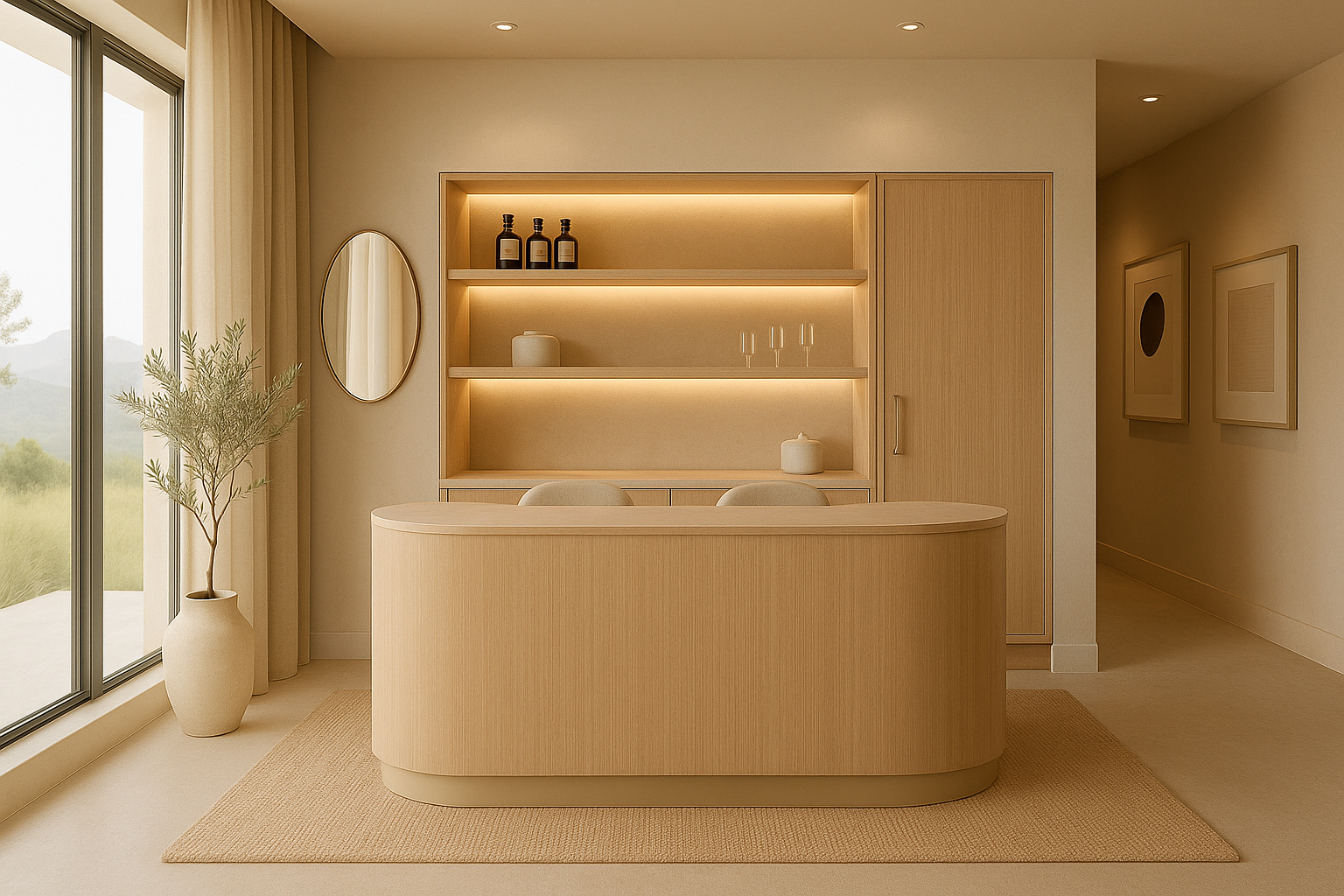
  • Neutral Tones (beige, ivory, soft grays) provide a clean, minimalist backdrop that feels both luxurious and uncluttered. 

  • Avoid overly bright or stimulating colors in treatment areas; they can be distracting and counterproductive to relaxation. Designers recommend using restful color palettes.

  • Research even backs this up: interior color choices significantly affect the psychological experience of spa visitors. (ojs.unikom.ac.id+1)

Tip for your med spa: Use wall paint, furniture upholstery, or decorative accents in calming colors. Incorporate greens through plants or blue through soft furnishings.


2. Lighting: The Mood Transformer

Lighting is one of the fastest ways to influence how someone feels the moment they step into a room.

  • Harsh fluorescent lighting can feel clinical and cold. Instead, opt forlayered lighting, ambient lights, soft sconces, and task lighting, to create a warm, welcoming atmosphere. 

  • Dimmable fixtures are especially valuable: they let you adjust the light depending on the treatment (bright enough for precision, soft enough for relaxation). 

  • Natural materials like wood and stone (used in lighting fixtures or furnishings) can soften the overall feel and connect clients to nature, which is inherently calming. 

  • Consider incorporating natural light where possible (windows, skylights) because daylight positively influences mood and well-being. (izhanfb.com)


3. Materials, Textures & Natural Elements

Creating a sense of retreat in your spa isn’t just about what you see, it's also about what you feel.

  • Natural textures like wood, stone, rattan, and linen create tactile richness. These materials feel authentic, grounded, and comforting. 

  • Biophilic design: incorporating plants, natural materials, and water elements, helps clients feel more connected to nature. This can reduce stress and improve mood. 

  • Acoustics matter: soundproofing treatment rooms and using soft background music or white noise can isolate clients from outside distractions, making the experience more immersive. 


4. Layout & Clutter: Clarity = Calm

  • A  minimalist, uncluttered layout sends a powerful message: this is a space designed for peace, organization, and focused care.(Zenoti)

  • Clear circulation paths make the spa feel more open and less chaotic. When clients don’t feel visually or physically crowded, their stress levels drop. 

  • Thoughtful storage (hidden cabinets, built-in shelving) keeps equipment out of sight, so the space feels serene rather than clinical. 


5. Sensory Touchpoints: Beyond What You See

Design for all senses, not just vision:

  • Aromatherapy: Scent diffusers using lavender, eucalyptus, or sandalwood can tap into calming neurological pathways and help clients sink into relaxation. 

  • Textures: Think plush towels, soft robes, smooth hand-crafted seating. Comfort in touch reinforces the sense of safety and luxury. 

  • Water features: The gentle sound of water (e.g., a small fountain) can help clients mentally “drop in” to a tranquil state. 


6. Why Mood Design Matters for Your Business

  • First Impressions: The  reception and waiting area set the tone for the entire visit. A soothing, thoughtful design reassures clients that they're in expert, caring hands. 

  • Emotional Safety: A well-designed environment reduces anxiety, especially important for medical spa clients who might feel apprehensive about procedures. 

  • Client Retention: When clients feel good in the space, they’re more likely to return. A spa that feels like a sanctuary becomes part of their self-care ritual. 

  • Brand Differentiation: In a growing med spa market, the interior contributes to your brand identity. A well-designed space elevates your reputation. 


Tips for Implementing These Ideas in Your Med Spa

  1. Audit Your Space
    Walk through your spa as if you were a client. Notice what stands out, what feels too “clinical,” and what could be softer or more calming.

  2. Prioritize by Impact
    If budget is limited, focus on high-impact areas: reception/waiting room, treatment rooms, lighting. These are where first impressions and client comfort matter most.

  3. Use a Mood Board
    Create a visual board (physical or digital) with your chosen palette (colors, materials, textures) before buying. This ensures coherence and helps you avoid clashing elements.

  4. Train Staff on the Experience
    Explain to your team how the design contributes to client well-being. Encourage them to maintain calmness: keep clutter low, manage lighting, use scent discreetly, and respect the sensory environment.

  5. Measure Client Feedback
    Ask clients how they feel about the space. Simple survey questions:

“Did the room feel relaxing?” “Was the lighting comfortable?”, can give actionable insights for improvement.


A Med Spa’s physical environment isn’t just about aesthetics, it’s a strategic tool in emotional design. By thoughtfully integrating color psychology, layered lighting, natural materials, and sensory touches, you can create a space that calms, reassures, and delights your clients. That positive mood isn’t just good for wellness, it’s good for your business.

Want expert help with your layout and furniture selection? 

Book your design consultation here and we’ll craft the perfect setup for your space.


Leave a comment

Comments will be approved before showing up.