January 12, 2026 5 min read
In aesthetic medicine, precision matters, not only in technique, but in the tools you use. Whether you’re administering Botox®, dermal fillers, PRP, or other injectables, the needle, syringe, or microcannula you choose can directly affect treatment accuracy, patient comfort, complication risk, and even your practice’s profitability.
This guide breaks down the key differences between aesthetic needles, syringes, and microcannulas, explains when to use each, and highlights why factors such as low dead space, needle sharpness, and syringe design matter far more than many injectors realize.
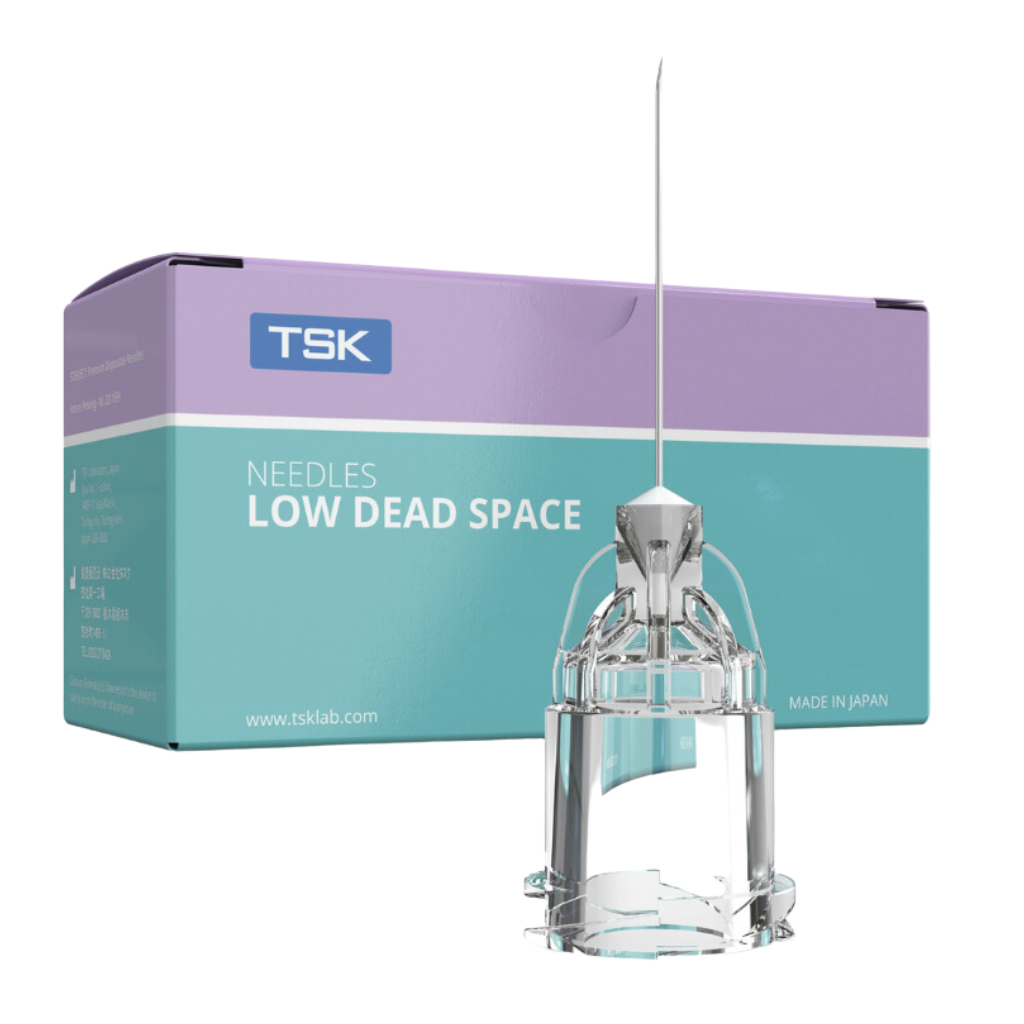
Needles are ideal for direct, pinpoint injections where precision and depth control are critical.
They are commonly used for:
• Botox® and neuromodulator injections
• Superficial, intradermal, and intramuscular toxin placement
• Small-area filler placement requiring exact control
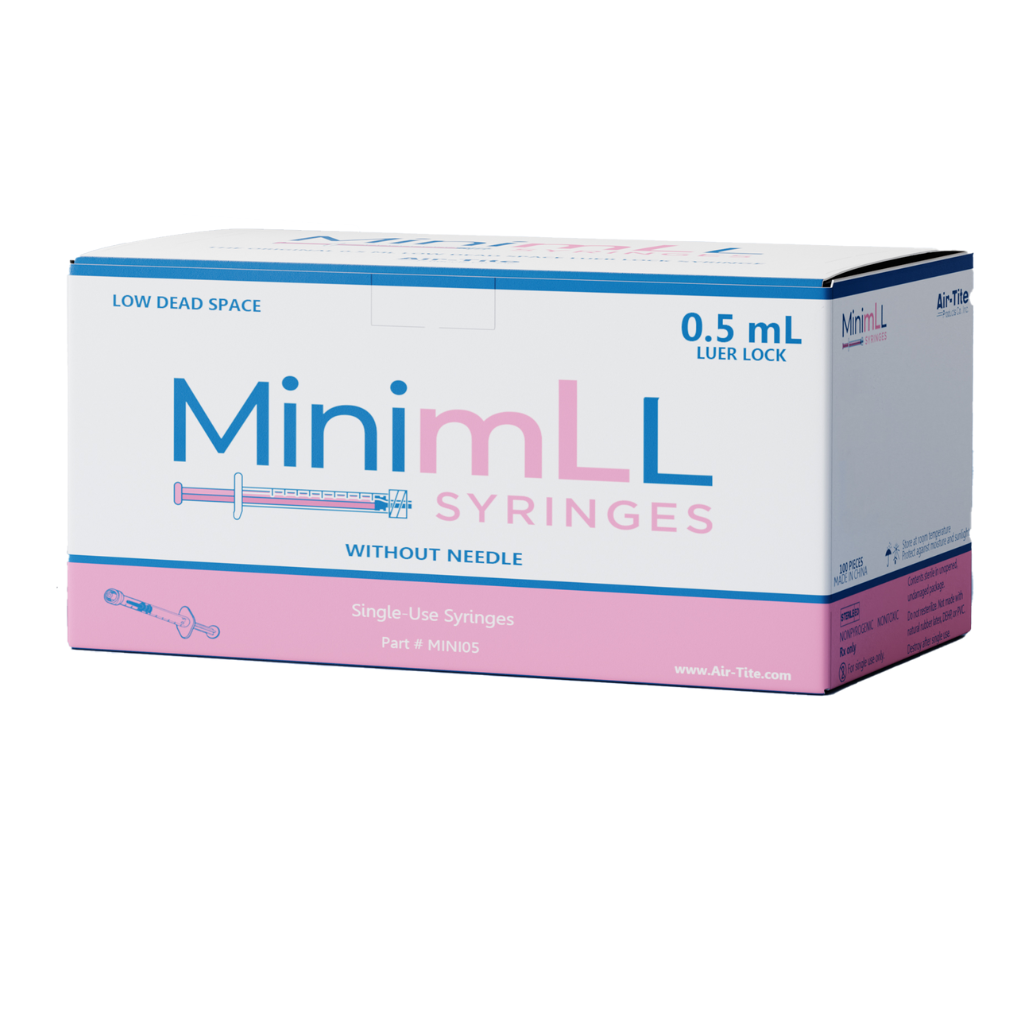
For these procedures, pairing a low dead space syringe with a high-quality, ultra-thin hypodermic needle designed for aesthetic injections and equipped with an LDS hub helps ensure:
• Accurate dosing
• Minimal product waste
• Smooth, controlled injections
• Improved patient comfort

Dead space is the volume of injectable product that remains trapped inside the syringe tip and needle hub after the plunger is fully depressed. With standard syringes and needles, this residual volume can range from approximately 0.05–0.1 mL or more, depending on design.
When injecting saline or lidocaine, this loss may seem insignificant.
When injecting Botox® or dermal filler, it becomes costly product waste.
Low dead space (LDS) syringes and needles are engineered so the plunger extends further into the syringe tip and needle hub, significantly reducing leftover product.
For aesthetic injectors, this matters because:
• Botox® and neuromodulators are measured in units, not milliliters
• Dermal fillers cost hundreds of dollars per syringe
• Even losing 1–2 units per treatment adds up quickly
You might save a small amount using a standard syringe and needle, but you could be discarding several dollars’ worth of Botox® or filler per treatment due to dead space loss.
Multiply that by:
• Multiple injection sites
• Multiple patients per day
• Multiple injectors in your practice
That “cheap” syringe can end up costing your practice thousands of dollars per year in wasted product.
In contrast, a high-quality low dead space syringe and needle combination typically costs slightly more per unit but pays for itself immediately by preserving product you’re already paying for.
Bottom line:
When working with premium injectables, using low dead space syringes and LDS-hub needles isn’t optional, it’s a smart financial decision.
Needle Sharpness: A Hidden Factor in Pain, Bruising, and Precision
Not all needles are manufactured to the same standard.
Standard Needles vs. High-Quality Japanese-Manufactured Needles
Many standard needles can lose sharpness after repeated skin penetrations, which may result in:
• Increased resistance during injection
• More force required to penetrate tissue
• Greater tissue trauma
• Increased patient discomfort and bruising
High-quality Japanese-manufactured aesthetic needles are known for precise grinding and consistent steel quality. They:
• Maintain sharpness longer
• Require less injection force
• Create cleaner entry points
• Help reduce pain and post-injection bruising
For neuromodulator treatments involving multiple injection points, this difference is often noticeable to both the injector and the patient.

Syringes may seem simple, but small design differences have a major impact in medical aesthetics.
What an Aesthetic Syringe Must Do Well
A syringe designed for aesthetic medicine should:
• Deliver product smoothly and consistently
• Minimize dead space
• Provide controlled plunger resistance
• Allow precise unit measurement
• Be compatible with standard needle connections
This is a common, and important, question.
Yes.
Most syringes and needles follow standardized connection systems, meaning they are compatible across brands as long as the connection type matches (e.g., Luer Lock to Luer Lock).
Luer Lock
• Needle twists and locks securely into place
• Reduces risk of accidental disconnection
• Better suited for higher-pressure injections
• Preferred for fillers, PRP, and most aesthetic procedures
Luer Slip
• Needle pushes on without twisting
• Faster to change
• Less secure than Luer Lock
• Typically used for lower-pressure applications
Female-to-female Luer Lock syringe connectors play a crucial role in enhancing safety and efficiency in aesthetic and medical procedures by providing a secure, leak-proof way to join two fluid components, such as syringes or tubing, without the risk of spills or contamination, and are widely used during treatments like transferring reconstituted Botox®, fillers, or PRP between syringes; the threaded Luer Lock design ensures a tight connection compatible with standard male Luer fittings, reducing the likelihood of accidental disconnection and improving workflow in busy clinical environments, which makes them a dependable choice for practitioners focused on precision and patient safety.

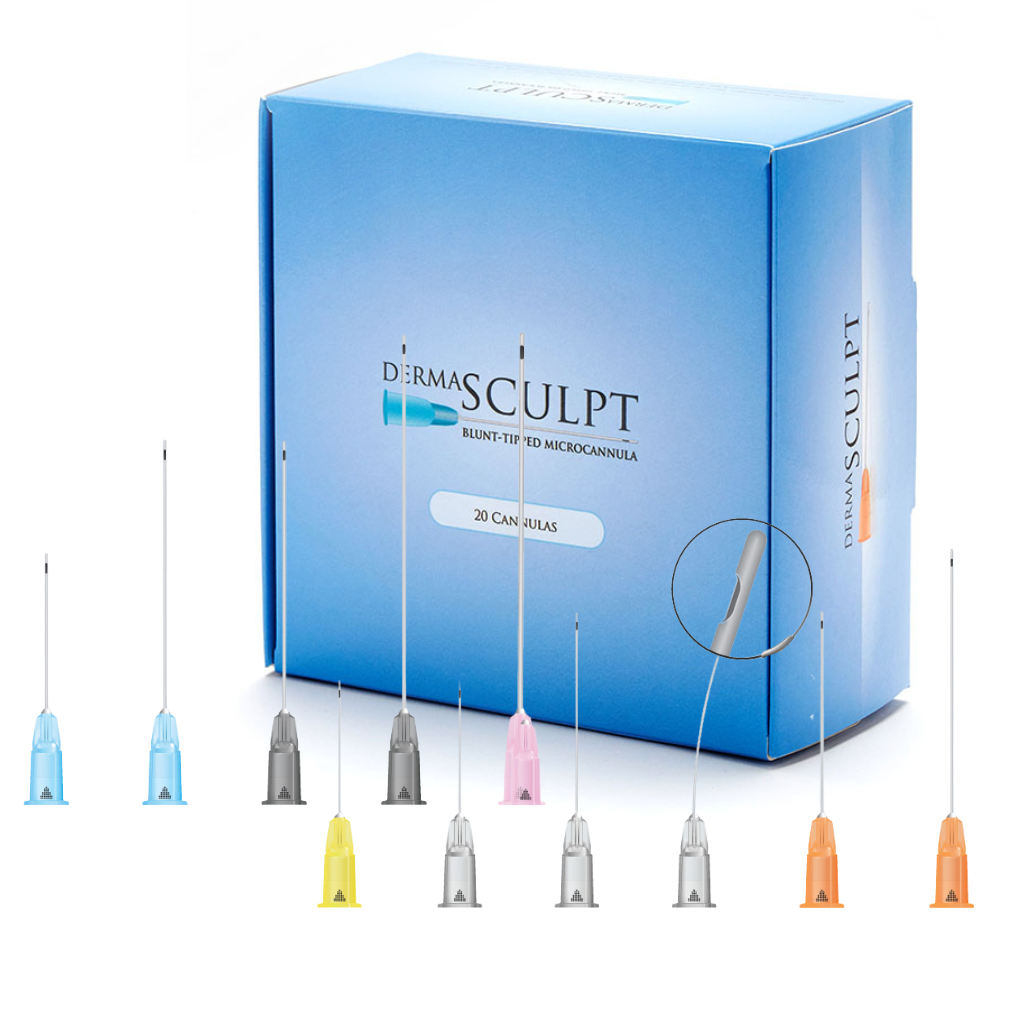
Microcannulas are increasingly popular in aesthetic medicine due to their safety and comfort advantages.
They are designed to:
• Reduce bruising and swelling
• Minimize tissue trauma
• Lower the risk of vascular injury
• Allow broader product distribution with fewer entry points
• Facial contouring and volumization
• Cheeks, jawline, and chin enhancement
• Tear trough and under-eye treatments
• Lip filler (depending on technique and injector preference)
• Areas requiring multiple filler deposits
Unlike needles, microcannulas use a blunt tip that navigates through tissue planes rather than cutting through them, allowing controlled filler placement with fewer sharp punctures.
A simple way to think about tool selection:
Needles
Best for precise, pinpoint delivery, especially neuromodulators and small-area fillers.
Syringes
The delivery system; low dead space designs help preserve expensive product and improve dosing accuracy.
Microcannulas
Ideal for larger treatment areas, comfort-focused filler placement, and reduced bruising with fewer entry points.
Understanding the differences between needles, syringes, and microcannulas, and choosing the right version of each, is essential for delivering safe, effective, and comfortable aesthetic treatments.
Using low dead space syringes and needles isn’t just about technique. It’s about:
• Reducing waste
• Preserving high-cost injectables
• Improving patient comfort
• Increasing long-term practice profitability
If you’re paying premium prices for Botox® and dermal fillers, it makes sense to deliver them with tools designed for modern aesthetic medicine, not outdated, high-waste alternatives.
Explore our full Needles, Syringes & Cannulas collection to equip your practice with tools that work as hard as you do.
Comments will be approved before showing up.